
How Regular Tree Care Supports Cooler, Healthier Communities
Trees are much more than aesthetic additions to a property; they are complex living systems that provide essential environmental and health benefits. Maintaining these natural assets requires a dedicated approach that balances biological needs with the unique pressures of urban environments. By prioritizing a professional tree care company and scheduling regular tree service, homeowners and municipalities can ensure their canopy remains a resilient, cooling, and life-sustaining force for generations to come.
Understanding the Basics of Tree Care
What Is Tree Care?
Tree care encompasses a range of practices dedicated to maintaining the health and longevity of trees. These practices include pruning, which involves removing dead or diseased branches to foster growth, and watering, essential during dry spells to ensure adequate hydration. Pest control is another critical component, addressing threats from insects and diseases that can compromise tree health. Fertilization aids in providing trees with essential nutrients, promoting robust growth and resistance to stressors. Collectively, these practices form a holistic approach to tree care, often facilitated by a comprehensive tree service, ensuring trees remain resilient and beneficial to their surroundings.
Importance of Routine Tree Maintenance
Routine tree maintenance is crucial for preserving the health and functionality of trees in urban ecosystems. Regular inspections allow for the early detection of diseases, infestations, and structural issues, enabling timely interventions. By proactively addressing these concerns, tree health can be preserved, preventing the escalation of problems that could lead to hazardous situations. Moreover, consistent maintenance ensures that trees continue to provide essential ecosystem services, such as temperature regulation and carbon sequestration. The benefits of a professional tree service extend beyond individual trees, enhancing the overall vitality and resilience of urban forests.
Common Tree Species and Their Care Needs
In many urban and suburban areas, certain tree species are more prevalent due to their adaptability and robust nature. Understanding the specific care requirements of these species is crucial for ensuring their health and longevity. For instance, oak trees, common in many regions, require seasonal pruning and are prone to certain pests, necessitating vigilant monitoring. Maple trees, prized for their vibrant autumn foliage, benefit from regular but moderated watering to prevent soil saturation. Similarly, evergreens require minimal pruning but are susceptible to soil compaction, highlighting diverse care needs that a specialized tree service can address.
Tools and Techniques for Effective Tree Care
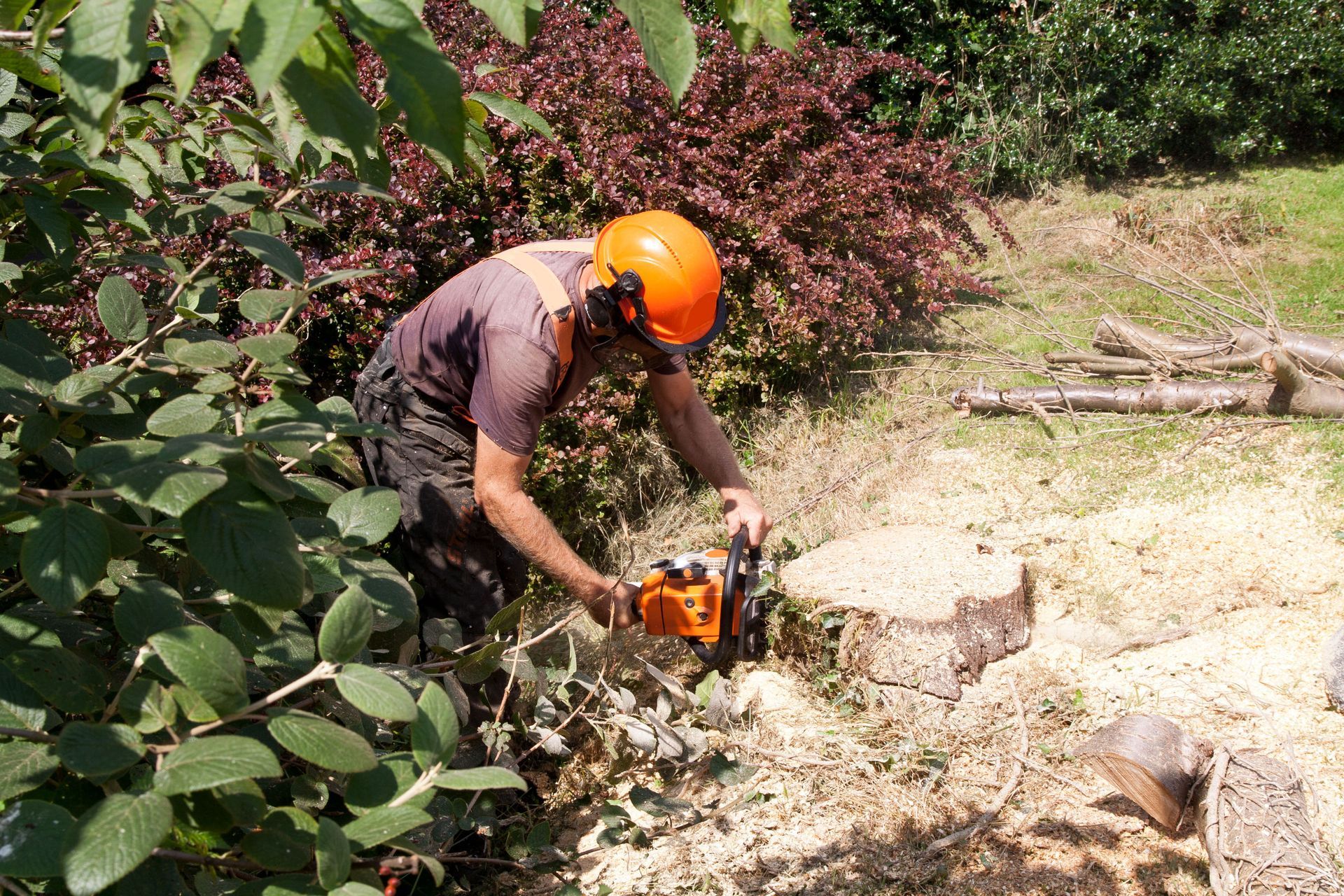
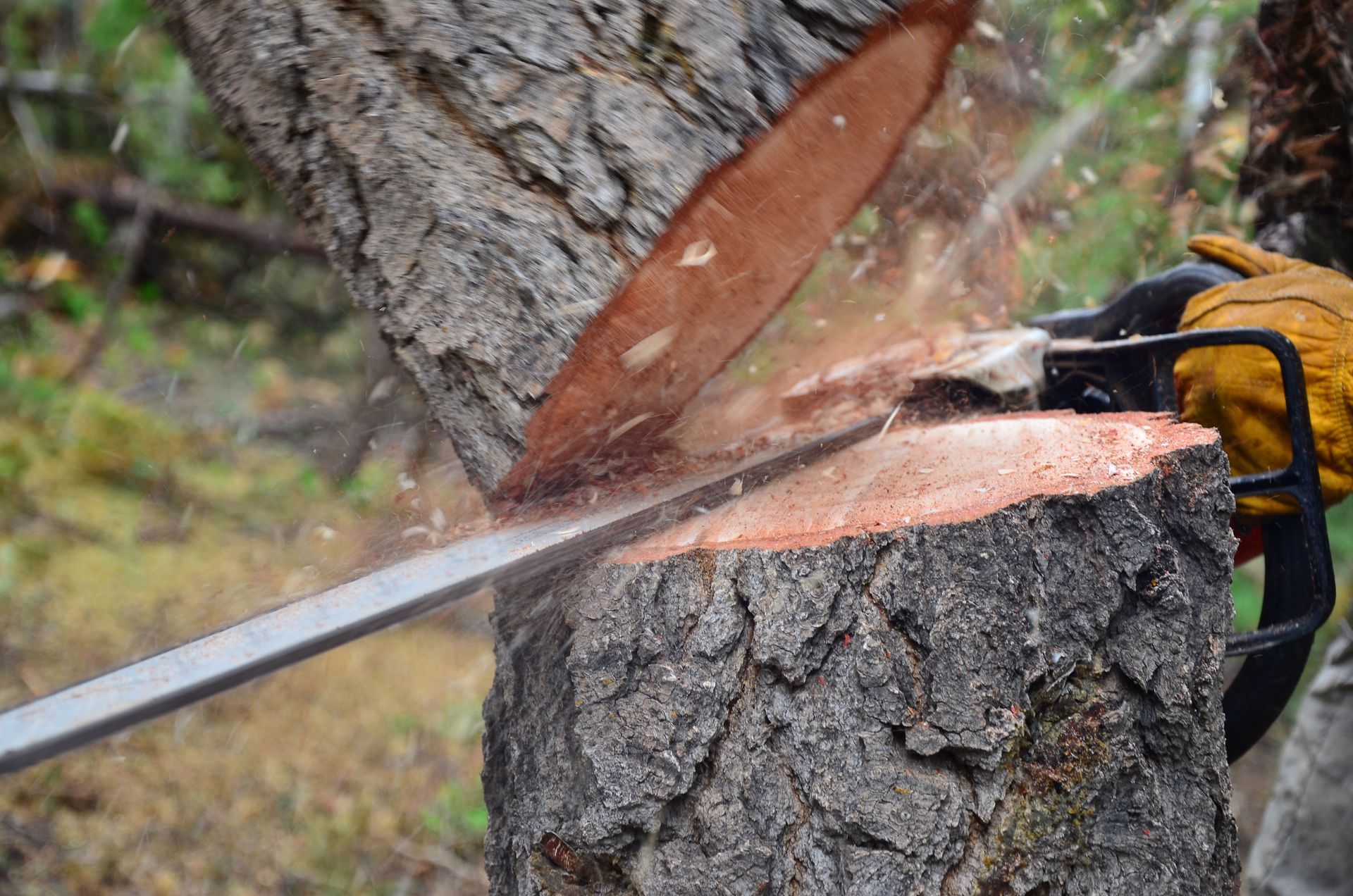
Proper tree care necessitates a range of tools designed to facilitate maintenance tasks and promote tree health. Pruning shears, hand saws, and loppers are essential for trimming branches and promoting growth. Watering systems, such as hoses and irrigation setups, ensure trees receive adequate hydration, especially in drought-prone areas. Fertilizers provide the necessary nutrients for growth, addressing deficiencies in urban soils. Pest control measures, including insecticidal soaps and traps, mitigate infestations that could jeopardize tree health and are standard components of a professional tree service.
Challenges in Tree Care Management
Despite the benefits associated with tree care, several challenges can impede effective management. Environmental factors, such as climate change and urban pollution, pose significant threats to tree health. Droughts and water scarcity can limit hydration, while pollution affects air quality and soil health. Moreover, urban expansion leads to soil compaction and limited space for root growth, adversely affecting tree vitality. Sustainability in tree care requires overcoming these challenges through innovative solutions and proactive management strategies provided by an expert tree service.
Environmental Benefits of Trees
Cooling Effect of Trees
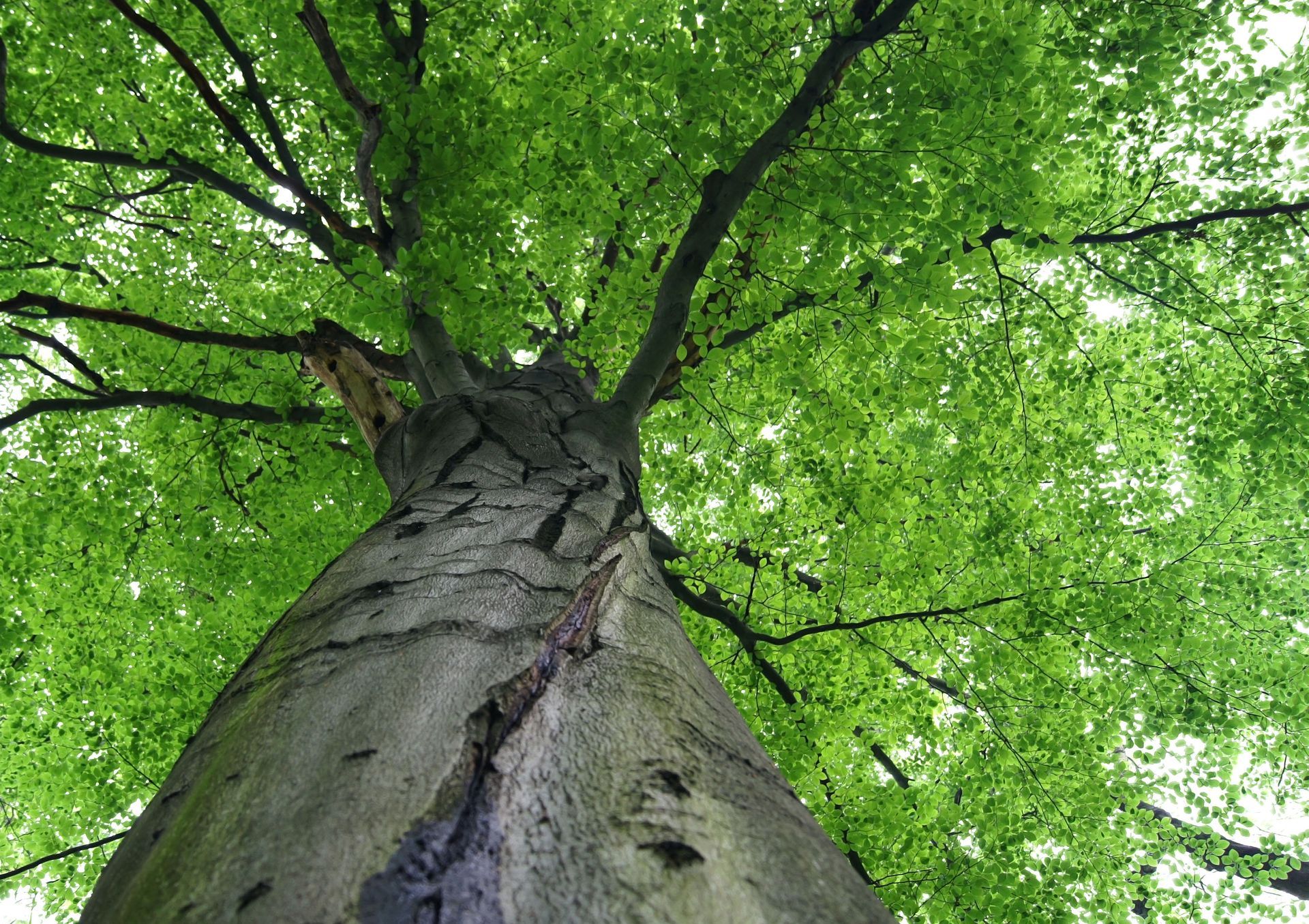
Trees play a vital role in cooling urban environments, mitigating the heat island effect, and creating comfortable living conditions. Through shade and evaporative cooling, trees can reduce ambient air temperatures significantly, as highlighted by World Metrics, which notes that healthy urban trees lower temperatures by 8–10°F according to the EPA. This natural cooling reduces energy consumption and enhances urban comfort, particularly in densely populated areas. Tree shade shelters buildings and sidewalks from direct sunlight, minimizing heat absorption and promoting thermal comfort. The integration of trees into urban planning offers a sustainable solution for climate adaptation, enhancing resilience against rising temperatures.
Air Quality Improvement
Trees are nature's air purifiers, significantly enhancing air quality by absorbing pollutants and releasing oxygen. Through a process known as phytoremediation, trees remove harmful substances like nitrogen dioxide, sulfur dioxide, and particulate matter from the atmosphere. This natural filtration system contributes to cleaner, healthier air, reducing the risk of respiratory illnesses and improving overall health outcomes. Additionally, trees sequester carbon dioxide, a major greenhouse gas, thus playing a critical role in climate change mitigation. Their ability to improve air quality makes trees invaluable assets in urban centers prone to pollution.
Carbon Sequestration and Climate Change Mitigation
Trees play a vital role in combating climate change through carbon sequestration, capturing atmospheric carbon dioxide, and storing it as biomass. This process reduces the concentration of greenhouse gases, mitigating their impact on global temperatures and climate patterns. Urban trees are particularly effective in sequestering carbon due to their extensive biomass and longevity. By integrating trees into urban planning, communities can enhance their climate resilience, reducing the carbon footprint of infrastructure and transportation. The presence of well-maintained trees thus supports broader environmental goals, aligning with global efforts to curtail climate change.
Soil Conservation and Erosion Control
Trees are essential for soil conservation, mitigating erosion, and preserving soil health through their intricate root systems. Roots stabilize soil by anchoring it against the disruptive forces of wind and water, thereby reducing erosion and sediment loss. In urban settings, where soil displacement poses a threat to infrastructure and ecosystems, trees are vital defenders of land integrity. The canopy of trees further contributes by reducing the impact of rainfall, minimizing soil compaction, and maintaining its fertility. By nurturing healthy soils, trees support the foundation for plant growth and ecological diversity.
Enhancement of Urban Biodiversity
Trees are pivotal in enhancing urban biodiversity, providing habitats and resources for a diverse array of species in city environments. Their branches, leaves, and trunks offer shelter and nesting sites, supporting the life cycles of birds, insects, and small mammals. The presence of trees enriches the urban ecosystem, fostering a vibrant community of flora and fauna that contributes to genetic diversity. This biodiversity supports ecological balance and resilience, enabling urban environments to withstand environmental changes and disturbances. By preserving and expanding urban forests, cities can create havens for wildlife, promoting coexistence and ecological harmony.
Health and Well-being Benefits for Communities
Reduction of Heat-related Illnesses
The shade provided by trees plays a critical role in reducing the incidence of heat-related illnesses in urban areas. During hot weather, people seek shaded areas to escape the heat, thus lowering the risk of conditions like heatstroke and dehydration. The cooling effect of trees alleviates the severity of heatwaves, which can disproportionately affect vulnerable populations, such as the elderly and those with pre-existing health conditions. By creating cooler, shaded environments, trees contribute to public health and safety, providing relief during extreme heat events and reducing the demand on emergency services. Trees are thus indispensable in urban heat management strategies, safeguarding community health.
The vitality of our urban forests depends on the consistency and quality of the care they receive. From mitigating the effects of rising temperatures to purifying the air we breathe, the value of healthy trees is truly immeasurable. Partnering with an expert tree care company for reliable tree service is the most effective way to protect this investment, ensuring that every branch and root continues to enhance the well-being and beauty of the community.
Protect your property’s natural legacy by contacting GroundTech LLC today for comprehensive tree service and specialized health assessments tailored to your unique landscape.

Share On: