
What to Expect During Tree Removal: A Homeowner Step-by-Step Guide
Maintaining a safe, attractive, and structural residential property requires proactive management of mature trees, environmental hazards, and surrounding landscape features. While healthy trees provide crucial shade, environmental benefits, and aesthetic beauty to neighborhoods, decaying, storm-damaged, or structurally compromised trees pose severe safety risks to homes and families. Heavy windstorms, internal rot, disease, and root decay can weaken massive timber structures, increasing the likelihood of sudden branch drops or full tree collapse. When hazardous conditions threaten residential property, scheduling professional intervention becomes an immediate necessity to prevent catastrophic structural damage and personal injury. According to the Weather Channel, 34 people were killed in the U.S. by trees or branches felled by high winds, including from thunderstorms, but not tornadoes. This sobering statistic underscores the vital importance of identifying hazardous timber early and relying on trained specialists to manage complex arboreal hazards safely. Navigating professional tree removal involves a systematic, multi-step process designed to protect home structures, power lines, and surrounding lawns. Understanding what happens during each phase of execution empowers homeowners to prepare their property, evaluate contractor credentials, and anticipate daily site operations confidently. From initial property assessment and safety rigging to controlled branch dismantling, debris clearing, and stump grinding, professional arborists utilize specialized equipment and technical precision to ensure seamless project execution.
Assessing Property Hazards and Equipment Requirements
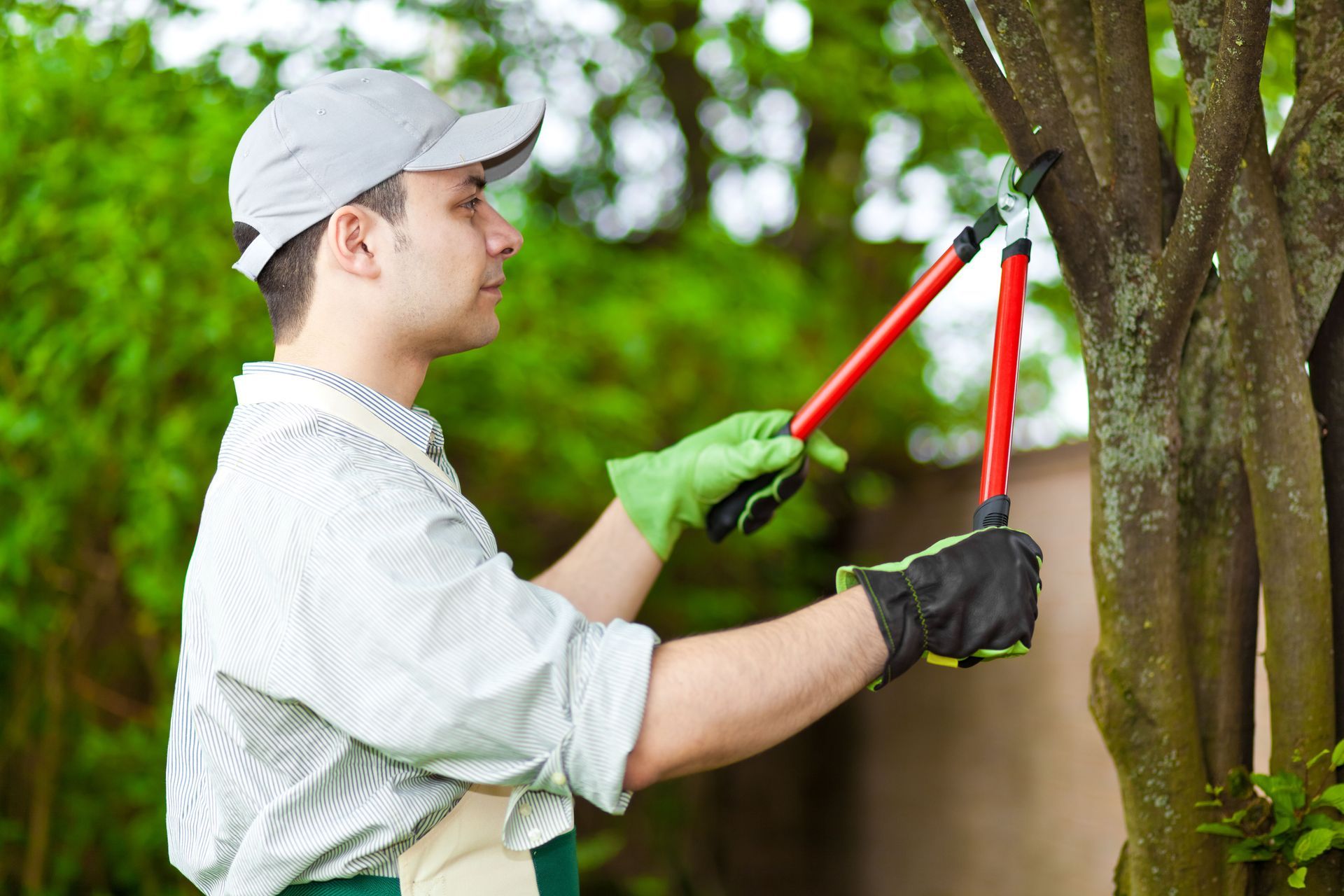
Conducting an initial site evaluation allows certified arborists to identify structural hazards, assess tree health, and plan necessary equipment positioning before work begins. During the preliminary walk-through, technicians inspect the trunk for hollow cavities, fungal growth, structural lean, and severe rot. Arborists also survey the surrounding canopy, noting proximity to overhead utility wires, rooflines, property fences, and delicate garden beds. Based on these observations, crew leaders determine whether standard climbing techniques, bucket trucks, or heavy cranes are required to execute safe tree removal. Establishing an operational plan during this initial assessment phase minimizes property disruption and guarantees that specialized safety equipment is deployed effectively. Furthermore, technicians verify local municipal permit requirements and ensure necessary safety barriers are planned to secure the immediate work area. Thorough pre-work evaluations protect both crew members and home infrastructure, establishing a clear framework for smooth project execution.
Preparing the Job Site and Safety Perimeter
Establishing a secure work zone and clearing immediate drop areas prevents property damage and ensures total site safety during active operations. Before heavy equipment arrives, homeowners should clear driveway spaces, move parked vehicles, and relocate outdoor patio furniture, lawn ornaments, and potted plants out of the drop zone. Once on site, the tree removal crew marks off a drop perimeter using bright safety cones and caution tape to keep family members, pets, and neighbors at a safe distance. Technicians cover delicate lawn sections, stone patios, or driveway pavement with heavy rubber mats or thick plywood sheets to absorb the impact of falling logs. Ground crews also establish clear communication protocols, using hand signals and helmet radio systems to maintain constant contact with overhead climbers and equipment operators. Preparing the workspace thoroughly protects valuable residential features and sets the stage for efficient, controlled dismantling.
Rigging and Dismantling Overhead Branches
Executing controlled rigging protocols allows certified arborists to lower massive limbs safely without damaging underlying home structures or surrounding vegetation. Professional climbers or bucket truck operators begin by removing lower branches, working systematically upward through the canopy to strip the tree down to its central trunk. Technicians utilize heavy-duty static ropes, friction brakes, pulleys, and specialized lowering devices to secure individual limbs before cutting them with high-powered chainsaws. Ground crews carefully manage the tension on lowering lines, guiding heavy limbs down to designated landing zones away from house foundations, fences, and power lines. This meticulous section-by-section dismantling process eliminates the unpredictable trajectory of falling timber, making complex tree removal in tight suburban spaces completely safe and controlled. Expert rigging protects household property while maintaining continuous physical control over every piece of cut wood.
Cutting and Felling the Main Trunk
Segmenting the main vertical trunk into manageable timber logs represents the most critical and heavy phase of the extraction operation. Once overhead branches are stripped away, the arborist focuses on dismantling the remaining central trunk from top to bottom. Working in controlled vertical sections, the climber cuts heavy wooden logs, which ground crews lower using heavy-duty rigging systems or lift away using hydraulic cranes. In open spaces with ample clearance, arborists may execute a precision directional fell by cutting a notch at the trunk base to drop the remaining pole into a clear drop zone. Precision cutting techniques prevent trunk twisting and ensure the massive weight lands exactly where intended. Ground personnel immediately roll cut log sections away from the drop area to keep the workspace organized and safe. Successfully felling the main trunk completes the primary extraction phase, leaving the property secure and free of structural arboreal threats.
Clearing Debris and Chipping Branches
Processing felled timber and hauling away heavy wood debris restores residential lawns and driveways to a clean, orderly state following intensive operations. Ground crews feed smaller branches and foliage into industrial wood chippers on site, converting piles of brush into beneficial wood mulch instantaneously. Heavy log segments are loaded onto specialized hydraulic trailers or flatbed trucks for transport off the property, though homeowners can request to keep cut wood for firewood. Technicians meticulously rake the lawn, pick up scattered wood chips, and use high-powered leaf blowers to clear sawdust and dirt off roofs, driveways, walkways, and patio surfaces. Professional debris management transforms an active, heavy work zone back into a pristine residential space swiftly. Comprehensive post-operation cleanup ensures that property owners enjoy the immediate benefits of hazardous tree removal without facing tedious yard work afterwards.
Grinding Stumps and Restoring Soil
Grinding underground stump bases eliminates lingering tripping hazards, suppresses pest infestations, and prepares the ground for new lawn installation or landscaping projects. Following successful trunk removal, a massive stump and spreading root collar remain embedded in the lawn. Technicians utilize high-powered hydraulic stump grinders with sharp carbide teeth to chew the remaining stump down below ground level. The grinding process reduces dense wood into a fine mixture of mulch and soil, filling the subterranean hole left behind by extracted roots. Homeowners can use the resulting mulch for garden beds or request complete debris removal to backfill the area with fresh topsoil and grass seed. Removing the subterranean stump prevents wood-boring insects, like termites and carpenter ants, from establishing colonies near home foundations. Complete stump management completes the property restoration process, leaving a smooth, safe, and beautiful lawn area ready for future enjoyment.
Navigating professional tree management requires understanding each phase of job site evaluation, safety perimeter preparation, controlled branch rigging, trunk felling, debris clearing, and stump grinding. From removing decaying timber and mitigating storm hazards to protecting house foundations and restoring lawn aesthetics, professional tree removal protects property values and human life. Proactively identifying hollow trunks, severe fungal growth, and dangerous structural leans prevents minor timber issues from escalating into dangerous emergencies during severe weather events. Partnering with licensed, fully insured, and certified arboreal professionals guarantees clear project estimates, specialized equipment deployment, and adherence to strict industry safety standards. Prioritizing expert arboreal care ensures your residential landscape remains safe, vibrant, and visually appealing year after year. At GroundTech LLC, we take immense pride in providing top-tier arboreal services, precise hazardous timber extractions, and comprehensive site restorations to keep your property safe and beautiful. Contact us today to schedule your complete property evaluation, speak with our experienced technicians, and discover how our dedicated team can serve your home.

Share On: