
How Tree Removal Can Protect Your Property and Improve Your Landscape
Established trees bring shade, texture, and character to a property. Over time, however, a tree can become less compatible with its surroundings. A weakening trunk, storm-damaged limbs, or growth too close to a building may introduce new risks. Even a healthy tree can occupy space needed for another use of the yard.
Deciding whether to remove a tree requires more than judging its appearance. Its condition, location, and relationship to nearby features all deserve consideration. With thoughtful tree maintenance, homeowners can identify situations where removal improves safety or makes the landscape more functional, while preserving trees that continue to benefit the property.
Recognizing Trees That Could Become Hazardous
Some tree hazards are difficult to miss, such as a cracked trunk or a large broken limb hanging over a walkway. Others develop gradually as wood decays or the tree begins to lean. These conditions warrant professional attention where people regularly walk, park, or gather, although removal is not always necessary.
The consequences of a failure depend partly on what surrounds the tree. A compromised branch above an isolated patch of ground presents a different concern than one extending over an entrance. Evaluating both the tree's condition and its surroundings helps distinguish a serious hazard from an appearance issue. Where a tree cannot remain safely in place, removal addresses the source of the risk.
Preventing Damage to Buildings and Outdoor Features
A mature tree can tower over a home, garage, fence, or other outdoor feature. Proximity alone does not make it dangerous. The greater concern arises when the tree has significant structural weaknesses or damaged sections that could strike nearby property if they fail. A heavy limb extending over a roof, for example, deserves particular attention when it is visibly compromised.
Preventive removal makes sense when there is a recognizable threat, not simply because a tree is large. Professional tree maintenance helps frame the decision around the actual exposure of the surrounding property. Removing a hazardous tree before it falls can reduce the possibility of damage, while avoiding unnecessary removal preserves the advantages of stable trees. That balance matters in yards where buildings and greenery share limited space.
Addressing the Lasting Effects of Storm Damage
Severe weather can change a tree's condition in minutes. Strong winds may split major limbs, damage the trunk, or leave broken sections caught in the canopy. A tree that remains upright after a storm may still have unstable parts, making the absence of a complete collapse an unreliable sign of safety.
Storm damage can also alter how the tree's weight is distributed. When part of the crown breaks away, the remaining structure may carry stresses that are not obvious from the ground. Fallen or suspended branches near driveways, buildings, and frequently used areas require particular caution. Emergency tree service can address urgent tree-related hazards, while an assessment helps determine whether the damaged tree should be removed. Here, timely tree maintenance helps protect outdoor spaces from unresolved hazards.
Managing Diseased or Dying Trees
A tree in decline may show sparse foliage, extensive dead branches, visible decay, or significant changes in its canopy. Not every symptom means the tree is dying, and seasonal changes can sometimes resemble signs of poor health. Nevertheless, widespread deterioration deserves attention because the condition of the wood and supporting structure can influence whether the tree remains safe.
When a tree is severely weakened, retaining it near buildings or active parts of the yard may increase the consequences of eventual failure. Its appearance can also affect the surrounding landscape: a largely bare canopy or extensive deadwood may distract from otherwise healthy plantings. Removal can resolve both concerns when the tree's condition makes continued retention unsuitable. Sound tree maintenance relies on an informed assessment, not a drastic reaction to one discolored branch.
Creating a More Open and Cohesive Landscape
Tree removal is not always prompted by an immediate hazard. Sometimes a tree's placement makes a yard feel crowded, blocks a desirable view, or prevents other landscape features from receiving attention. A large tree in the middle of a small outdoor area can limit how comfortably that space functions, even when the tree itself is healthy.
Removing a carefully selected tree may give the remaining landscape a clearer visual structure. Open space can make a yard feel larger, create better separation between features, and allow established plantings to stand out. The goal is not to eliminate greenery indiscriminately. Good tree maintenance considers which trees contribute to the property's character and which ones create constraints that outweigh their benefits. The most satisfying result is often a more deliberate relationship between open areas and retained trees, rather than an entirely cleared yard.
Preserving the Benefits of Trees Worth Keeping
Because removal permanently changes a landscape, it is important to recognize what healthy trees provide. Their shade can make outdoor spaces more comfortable and reduce direct sunlight on nearby buildings. According to Arbor Day Foundation, trees positioned strategically around buildings can lower air-conditioning needs by as much as 30%. That potential benefit makes location an important part of deciding which trees to retain.
A tree that supplies useful shade may deserve greater consideration than one whose placement offers little benefit and creates serious risks. Likewise, removing a declining tree could open space without sacrificing the shelter provided by other trees nearby. The point is not how many trees remain, but how well the landscape functions afterward. Considering shade, safety, and visual balance together leads to a more purposeful outcome than treating every mature tree as an obstacle.
Making Room for Construction and New Landscape Uses
Property improvements sometimes require an area to be opened before work can begin. A tree may stand where a new structure is planned, or dense growth may leave insufficient room for a revised outdoor layout. In such cases, removal can help prepare land for construction or landscaping while giving the property a more usable arrangement.
The space left behind matters, too. A stump can continue to occupy a portion of the yard after the tree has been taken down. Stump grinding, which reduces the stump below ground level, can help reclaim that area for future landscaping. For broader projects, professional land clearing can prepare a site for its intended purpose. Coordinating these decisions within the larger property plan keeps tree maintenance connected to practical improvements rather than treating removal as an isolated change.
Protecting the Existing Landscape During Removal
Removing a tree solves one problem only if the work is performed with care around everything that remains. Nearby plantings, lawn areas, fences, and buildings can all influence how the job should be approached. Large trees and limited working space add complexity, particularly when the surrounding landscape is already established.
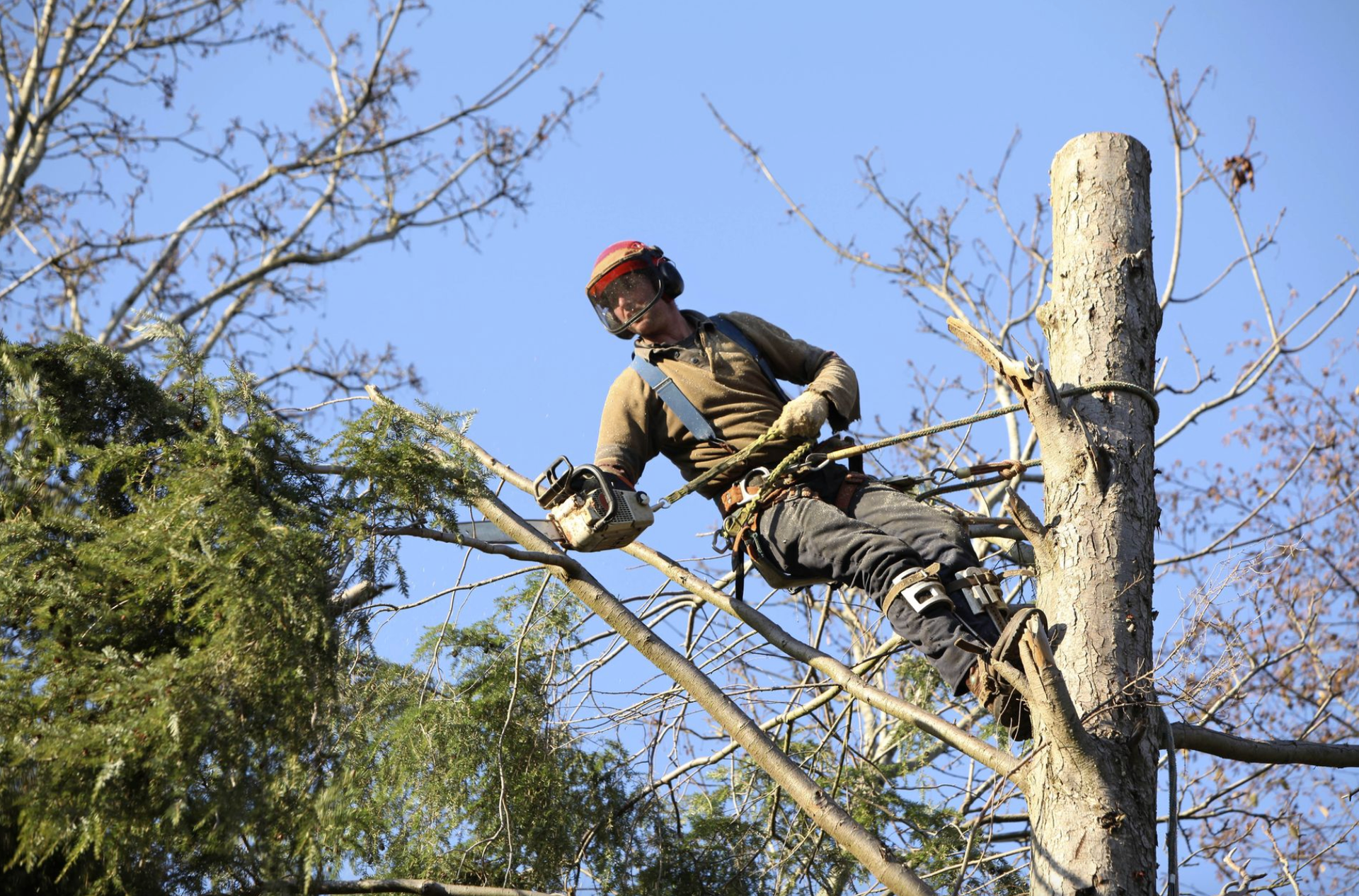
Professional crews assess a tree's condition and choose removal methods suited to the site. Specialized machinery and appropriately qualified equipment operators can help manage challenging removals, while attention to the existing landscape can minimize avoidable disruption. Responsible handling of tree debris is another important part of the work. These considerations distinguish a planned removal from merely bringing a tree down: the result should address the original concern without unnecessarily compromising the property's other features.
The best landscape decisions account for both what a tree contributes today and what its condition or location may mean in the future. Removing the right tree at the right time can leave a property safer and better suited to the ways it is used. At GroundTech LLC, we assess tree conditions and carry out removal with attention to surrounding structures and existing landscaping. Contact us to discuss whether professional removal is appropriate for your property.

Share On: